

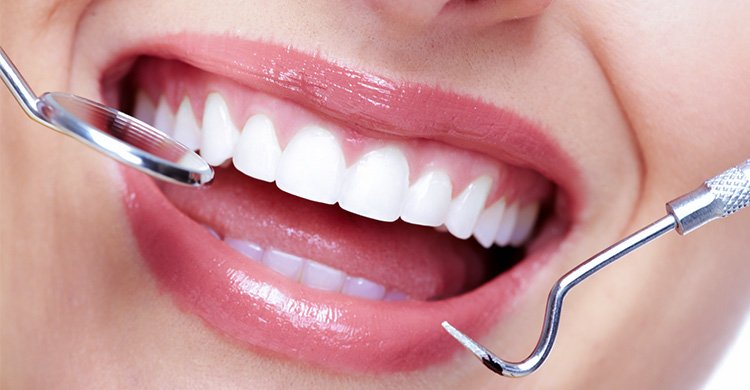
Your smile communicates confidence and self-care before you say a single word. Yet teeth whitening — one of the most popular and accessible cosmetic dental treatments — remains surrounded by persistent myths and misinformation. These misconceptions stop people from seeking a treatment that is, under professional supervision, safe, effective, and well-understood. Here, our dental experts separate fact from fiction on the ten most common whitening myths.
Professional teeth whitening under dentist supervision uses clinically proven agents and controlled protocols — it is among the safest cosmetic dental procedures available.
Teeth Whitening Damages Enamel
Professional whitening uses peroxide molecules that oxidise stain compounds within enamel — they do not remove or erode tooth structure. The common confusion arises from mixing up bleaching (chemical breakdown of stains) with abrasion (mechanical removal of enamel). Under controlled clinical protocols, enamel integrity is preserved. Temporary porosity occurs during treatment, but natural remineralisation through saliva restores the enamel surface within hours.
Whitening Causes Permanent Sensitivity
Sensitivity following whitening is temporary, typically lasting 24–48 hours. It results from temporary dentinal fluid movement through open enamel pores during treatment — not from permanent nerve or structural damage. Patients with pre-existing sensitivity may experience more pronounced reactions, but desensitising protocols and post-treatment gels manage this effectively. The sensitivity resolves as the enamel remineralises.
DIY Methods Like Baking Soda and Charcoal Are Safe to Whiten Teeth
This is one of the most damaging myths in dental health. Baking soda and activated charcoal work through abrasion — physically scrubbing away surface material. This creates microscopic scratches in enamel that trap staining compounds and accelerate yellowing over time. Lemon juice compounds the problem through acid erosion. Enamel does not regenerate. DIY whitening agents risk irreversible damage for minimal, short-lived results.
Whitening Results Are Permanent
Professional whitening delivers results lasting 6 months to 2 years depending on dietary habits, oral hygiene, and lifestyle choices. Whitening removes existing stains — it does not prevent new ones from forming. Patients who regularly consume tea, coffee, red wine, or tobacco will notice faster re-staining. Periodic maintenance sessions and post-treatment care extend longevity significantly.
Laser Whitening Is Just a Marketing Gimmick
Light activation — whether laser or LED — genuinely accelerates the peroxide chemistry by increasing the energy available for the oxidation reaction. This shortens treatment time, improves shade consistency, and allows the use of lower peroxide concentrations for equivalent results. The science is well-established and the technology is in active clinical use globally, including at our clinic.
Whitening Toothpaste Can Replace Professional Treatment
Whitening toothpastes remove surface stains only — they cannot bleach the internal discolouration that gives teeth a yellow or grey appearance. Professional treatment works on intrinsic staining that toothpaste physically cannot reach. Whitening toothpastes are best used as a post-treatment maintenance tool, not as a standalone treatment.
Crowns and Fillings Whiten Along With Your Natural Teeth
Dental restorations — crowns, veneers, composite fillings — are colour-stable materials. They do not respond to whitening agents. If you whiten after having front-tooth restorations placed, you risk creating visible colour mismatches. The correct sequence: whiten natural teeth first to your target shade, then have any necessary restorations matched to that shade.
Everyone Is a Suitable Candidate for Whitening
Whitening is contraindicated in several situations: children and adolescents, pregnant or breastfeeding patients, and those with active gum disease or untreated cavities. Certain stain types — including fluorosis (white spots from excess fluoride) and tetracycline antibiotic staining — respond poorly or unevenly to whitening, and alternative cosmetic approaches may be more suitable.
Whitening Weakens Teeth Over Time
Tooth strength is not compromised by professionally supervised whitening. Temporary porosity during treatment is fully restored through natural remineralisation. Actual weakening of teeth comes from untreated acid erosion, heavy abrasion (aggressive brushing), or untreated cavities — not from clinical whitening procedures used as directed.
You Can Whiten While Wearing Braces
Whitening during orthodontic treatment creates uneven colour results. Brackets physically block the whitening agent from reaching the enamel beneath them, leaving unwhitened patches when the braces are removed. The recommended sequence is alignment first, whitening as the final cosmetic step once braces are off and teeth have settled.
Frequently Asked Questions
Ready to Brighten Your Smile Safely?
Our experts at Smile & Profile Advanced will assess your teeth, clarify all your doubts, and design a whitening plan that delivers real results safely.
Book a Consultation